
Digital Health in Pediatric Neurology: From Episodic to Continuous Care
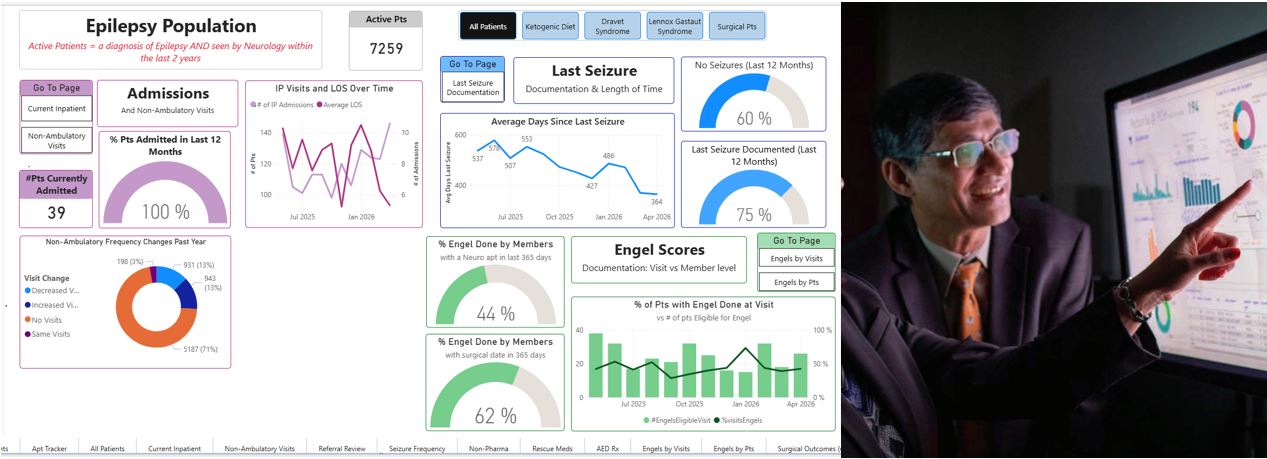
Reimagining Neurologic Care Through Digital Innovation
Digital health in pediatric neurology represents a fundamental shift in how neurological care is conceptualized, delivered and experienced. By integrating digital technologies, real-world data and advanced analytics, this evolving field is moving beyond traditional episodic care models toward a continuous, data-driven and developmentally informed approach. This transformation enables clinicians to better understand disease trajectories, personalize interventions and optimize outcomes for children with neurologic disorders across developmental stages.
Enhancing Visit-Based Care with Continuous Insight
Digital health has emerged as a transformative force in 21st-century medicine, reshaping the boundaries of healthcare delivery. Innovations such as electronic health records, telemedicine, mobile health applications, home-based data capture, artificial intelligence and wearable technologies have collectively expanded care beyond the clinic into patients’ everyday environments. These tools enable continuous streams of longitudinal data, fostering a shift from reactive, visit-based care to proactive, anticipatory and preventive care. In this new paradigm, healthcare is no longer confined to discrete encounters but instead becomes an ongoing, adaptive process that reflects patients’ lived experiences in real time.
Why Pediatric Neurology Demands a Continuous Care Model
This shift is particularly impactful in pediatric neurology, where traditional models of care – centered on intermittent clinic visits – are inherently limited. Neurological conditions in children are often dynamic, with symptoms that fluctuate over time and intersect with critical periods of brain development. Episodic evaluations may miss subtle changes, early or prodromal manifestations and real-world functional impairments. In contrast, continuous digital health approaches enable high-resolution, longitudinal monitoring of neurologic function, capturing patterns and deviations that would otherwise remain undetected. This allows for earlier diagnosis, more precise tracking of disease progression and timely, targeted interventions aligned with developmental milestones.
Continuous care models supported by digital health also facilitate a deeper understanding of treatment response in real-world contexts. By incorporating data from wearable sensors, mobile platforms and patient- and caregiver-reported outcomes, clinicians gain insight into how therapies affect daily functioning, quality of life and environmental interactions. This enables improved clinical decision-making and supports truly personalized care strategies.
Strengthening Family Partnerships While Expanding Access to Care
The transition from episodic to continuous care redefines the role of patients and families. Digital tools empower caregivers and patients as active participants in care, enabling real-time symptom reporting, medication tracking and shared decision-making. This strengthens the therapeutic alliance and aligns clinical management with the child’s lived experience, fostering a more patient- and family-centered model of care.
Digital health also holds significant promise for advancing access to high-quality care in pediatric neurology. Continuous, remote care models can reduce barriers related to geography, transportation and socioeconomic constraints, improving access to subspecialty expertise. By enabling early detection and proactive management, these approaches may decrease reliance on acute care services such as emergency department visits and hospitalizations, while improving outcomes and reducing system-level costs.

Advancing Digital Neurology at Phoenix Children’s
Phoenix Children’s is actively developing and implementing disease-specific digital health solutions that exemplify this paradigm shift. Through innovative development of focused home-based applications, patient and caregiver self-reporting tools, coupled with wearable sensors and remote monitoring platforms, we are extending neurologic care into the child’s natural environment. These technologies generate continuous, real-world data, providing unprecedented visibility into daily functioning, symptom variability and environmental influences on neurologic health.
By integrating these data with advanced analytics, we are advancing care that is continuously informed, refined and personalized. This approach not only enhances clinical insight but also supports earlier intervention, more precise disease characterization and improved long-term outcomes. Ultimately, digital health in pediatric neurology is not simply an extension of existing care models – it represents a redefinition of care itself, shifting from episodic encounters to continuous, connected and context-aware care that better meets the needs of children and their families.
About the Author
Neil R. Friedman, MBChB
Director, Clinical Transformation; Diane and Bruce Halle Endowed Chair in Pediatric Neurosciences Dr. Friedman is a pediatric neurologist at Phoenix Children’s with expertise in innovative care models for neurologic disease. His work focuses on leveraging digital health, real-world data and continuous monitoring approaches to improve outcomes and advance personalized.