
Search Videos and More
 Video
Video
First Awake Brain Surgery at Phoenix Children’s
Dr. Jason Hauptman performed Phoenix Children’s first ever Awake Craniotomy. Watch as Dr. Hauptman performs this procedure and discusses how it enables surgeons to operate more precisely and safely. Symposium
Barrow Neurological Institute at Phoenix Children's 2024 Innovation Report
The 2024 Innovation Report highlights some of the transformative work accomplished over the past year. From groundbreaking clinical programs to cutting-edge research and novel therapeutic approaches, our multidisciplinary teams have worked tirelessly to address some of the most complex neurological disorders in children. News
News
Cerebral Vasculopathy in Neurofibromatosis Type 1: An Under-Recognized Problem?
Neurofibromatosis type 1 (NF1) is a common genetic disorder caused by mutations in the NF1 gene, which encodes neurofibromin, a GTPase-activating protein (GAP)-related domain that negatively regulates the Ras/mitogen-activated protein kinase (RAS/MAPK) signaling pathway. News
News
Advancing the Care of Children with Cerebrovascular Disease
Pediatric cerebrovascular disease is a significant cause of global morbidity and mortality among children. News
News
The Future of Pediatric Epilepsy Surgery Through a Genetic Lens
Epilepsy in children continues to be a large-scale medical issue in children, affecting approximately 4 in 1,000 children each year. Epilepsy is defined as having two unprovoked, nonfebrile seizures. News
News
Hypoglossal Nerve Stimulation: A Novel Tool for Treating Obstructive Sleep Apnea in Children
Hypoglossal nerve stimulation is an advanced and emerging therapeutic approach designed to manage obstructive sleep apnea (OSA). News
News
Phoenix Children’s Names New Chief of Neurosurgery
Phoenix Children’s, one of the nation’s fastest-growing pediatric health systems, today announced the hire of accomplished surgeon-scientist Jason Scott Hauptman, MD, PhD, as division chief of neurosurgery, part of Barrow Neurological Institute at Phoenix Children’s. Symposium
Barrow Neurological Institute at Phoenix Children's 2023 Innovation Report
This 2023 Innovation Report offers a small window into what distinguishes Barrow Neurological Institute at Phoenix Children’s as one of the pre-eminent pediatric neuroscience institutes in the country. News
News
Laser Surgery – Changing Management and Outcomes of Hypothalamic Hamartomas/Update on Laser Surgery for Pediatric Epilepsy
Laser interstitial thermal therapy (LITT) has emerged as a promising minimally invasive treatment for hypothalamic hamartoma with much improved safety and better efficacy. The technology combines the instant effect of thermal ablation with stereotactic precision and guidance using real-time magnetic resonance thermography. At Phoenix Children’s this is now the standard of care for the treatment of hypothalamic hamartomas and many other focal epilepsies.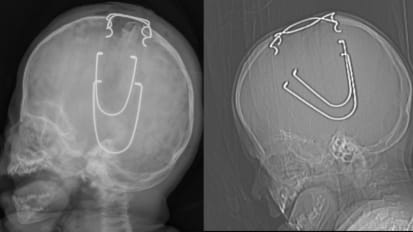 News
News
Advances In Craniosynostosis Repair
Innovations in craniosynostosis management and cranial vault remodeling have improved diagnosis, preoperative planning and treatment resulting in improved patient outcomes and more personalized care...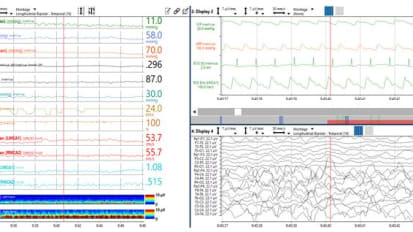 News
News
The Emerging Role of Multimodality Neurologic Monitoring in Pediatric Neurocritical Care
Multimodal neurological monitoring is increasingly being used in the pediatric neurocritical care environment to monitor for secondary brain injury. Integration of data and advanced calculation of model-based indices of cerebrovascular pressure reactivity, brain compliance and autonomic function provides an opportunity to optimize neuroprotection. News
News
Pediatric Neuromuscular Disorders – Leading the Charge in Personalized Healthcare
Genetic insights and recent breakthroughs in gene therapy are reshaping the way we understand and treat several pediatric neuromuscular disorders, fulfilling the promise of personalized healthcare and significantly improving outcomes. The Neuromuscular Clinic at Phoenix Children’s is a nationally recognized center of excellence at the forefront of pediatric neuromuscular care.