
Search Videos and More
 Video
Congenital Heart Disease: Helping Parents and Providers
Congenital heart disease is a common birth defect. Ericka Scheller McLaughlin, DO, pediatric and fetal cardiologist, discusses what parents can expect and how Phoenix Children’s can help. News
Phoenix Children’s Earns National Designation for Pediatric Pulmonary Hypertension Care
Phoenix Children’s is now designated a PPHNet Network Site one of only 14 pediatric centers in the US and Canada, recognized for excellence in pediatric pulmonary hypertension care. News
Comprehensive Care for Congenital Heart Conditions
Given that congenital heart disease is the most prevalent type of birth defect in the U.S., it’s no surprise that roughly two-thirds of referrals to the Center for Fetal and Neonatal Care are for potential cardiovascular malformations.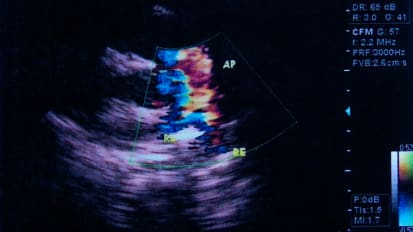 News
Congenital Heart Surgery Outcomes in Patients with Positive Respiratory Viral Swabs
To examine whether or not viral positive patients experienced worse outcomes and assess differences in surgical outcomes between viral-positive patients with and without viral symptoms within 30 days of surgery. News
Early Experience Using Implanted Hemodynamic Monitor (CardioMEMs) for Hemodynamic Assessment during Exercise in Pediatric Patients with Fontan Circulation
We report our experience with 4 children, in whom implanted hemodynamic monitor was utilized to assess Fontan pressures during exercise. News
Redefining Fontan Care: The Socio-Economic Impact of SVHD on Families
Survey results reveal the long-term socio-economic and psychological impacts of single ventricle congenital heart disease (SVHD) on families. See how cardiologists Deepti Bhat, MD, and Naim Duran, MD, contributors to this research, are using findings to transform Fontan Clinic care at Phoenix Children’s. News
SCPC Care: Non-Age-Related Factors Contribute to Timing
A literature review published in Future Cardiology suggests that providers should look beyond chronological age to various modifiable physiologic factors when planning a superior cavopulmonary connection (SCPC) procedure. News
Study Examines Surgery vs. Surveillance for Vascular Rings
A recent study from Phoenix Children’s cardiologists and cardiothoracic surgeons examines how best to manage children with vascular rings, comparing surgical treatment with observation over time. News
Mavacamten in Adolescents with Obstructive Hypertrophic Cardiomyopathy
First-in-class drug brightens outlook for those diagnosed with hypertrophic cardiomyopathy in childhood. News
Morbidity and Mortality in Adult Fontan Patients After Heart or Combined Heart-Liver Transplantation
An increasing number of adult Fontan patients require heart transplantation (HT) or combined heart-liver transplant (CHLT); however, data regarding outcomes and optimal referral time remain limited. News
First and only center in Arizona to receive highest designation for advanced life support
Phoenix Children’s has been recognized with the prestigious ELSO Award for Excellence in Life Support, achieving Platinum Center of Excellence status from the Extracorporeal Life Support Organization (ELSO). News
An Update of Invasive Implanted Hemodynamic Monitoring in Patients With Fontan Circulation
What are the safety, utility, and prognostic implications of invasive implanted hemodynamic monitoring (IHM) using the CardioMEMS™ HF System (Abbott Laboratories, Abbott Park, Illinois) in patients with Fontan circulation (FC)?