
Search Videos and More
 News
Health Information Technology to Improve Care of Patients with Chronic Medical Conditions
Over the past two decades, digital health has emerged as a key driver of healthcare safety, quality and efficiency. Video
Congenital Diaphragmatic Hernias
Congenital diaphragmatic hernia occurs in approximately every 1-in-5,000 births. Dr. Mark Molitor explores the evolution of how we treat congenital diaphragmatic hernias and why this often includes ECMO. Video
Cleft Lip and Palate: Helping Parents and Providers
What are the benefits of diagnosing cleft lip and cleft palate in utero, and what are the next steps for the baby? Video
Spina Bifida
In this day and age, the prognosis for spina bifida is excellent. Pediatric neurosurgeon Ruth Bristol, MD, associate program director of Pediatric Neurosurgery and director of Craniofacial Neurosurgery, and Kristi Boles, MD, medical director of Phoenix Children’s Spina Bifida Clinic, discuss what parents and providers should know about spina bifida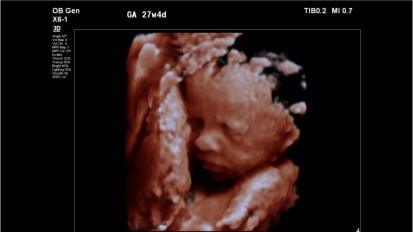 News
Renowned Fetal Imaging Team Helps Improve Outcomes Among Babies with Congenital Defects
Thanks to the sophisticated technology and skilled fetal imaging specialists at Phoenix Children’s, more high-risk infants have a chance to live long, healthy lives. News
Comprehensive Care for Congenital Heart Conditions
Given that congenital heart disease is the most prevalent type of birth defect in the U.S., it’s no surprise that roughly two-thirds of referrals to the Center for Fetal and Neonatal Care are for potential cardiovascular malformations.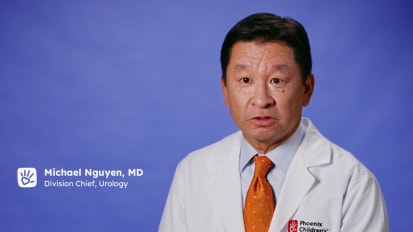 Video
Bladder Conditions: Diagnosis, Referral and Treatment
To protect a baby’s kidneys, it’s important to find bladder problems as early as in utero. Michael Nguyen, MD, division chief of Urology, discusses Phoenix Children’s capabilities. Video
Clubfoot: Diagnosis, Treatment and Prognosis
For babies with clubfoot, the prognosis has never been better. Jessica Burns, MD, orthopedic surgeon, discusses prenatal diagnosis and misconceptions about treatment. Video
Congenital Diaphragmatic Hernia: The Benefits of Teamwork
Pediatric surgeon Mark Molitor, MD, director of ECMO and Phoenix Children’s Congenital Diaphragmatic Hernia Clinic, explains diaphragmatic hernias and what makes the program that treats them at Phoenix Children’s so unique in Arizona and around the world.