
Search Videos and More
 News
News
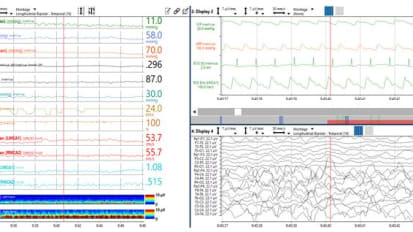
The Emerging Role of Multimodality Neurologic Monitoring in Pediatric Neurocritical Care
Multimodal neurological monitoring is increasingly being used in the pediatric neurocritical care environment to monitor for secondary brain injury. Integration of data and advanced calculation of model-based indices of cerebrovascular pressure reactivity, brain compliance and autonomic function provides an opportunity to optimize neuroprotection. News
News
Pediatric Neuromuscular Disorders – Leading the Charge in Personalized Healthcare
Genetic insights and recent breakthroughs in gene therapy are reshaping the way we understand and treat several pediatric neuromuscular disorders, fulfilling the promise of personalized healthcare and significantly improving outcomes. The Neuromuscular Clinic at Phoenix Children’s is a nationally recognized center of excellence at the forefront of pediatric neuromuscular care. News
News
BPD: Progress Through Teamwork and the National BPD Collaborative
Bronchopulmonary dysplasia (BPD) is the most common respiratory complication of prematurity, affecting an estimated 10,000 to 15,000 babies in the U.S. annually - about 33 percent of babies born with a birthweight of less than 1,000 grams.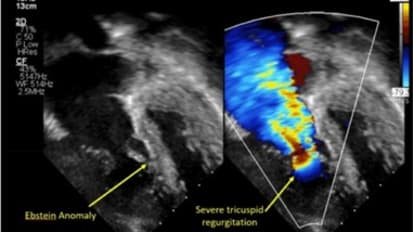 News
News
Cone Procedure to Treat Ebstein's Anomaly
Advancing modern medicine can improve long-term outcomes for pediatric congenital heart defects. Although relatively rare, Ebstein's anomaly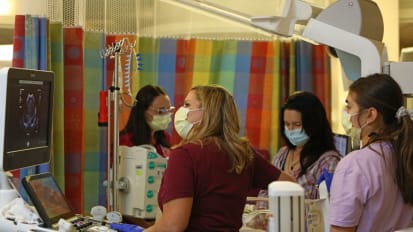 News
News
Retrospective Research Confirms that Complex Pediatric Patients with CDH Thrive with Multidisciplinary Approach to Care
CDH Program at Phoenix Children's Reveals the Positive Power of Teamwork. News
News
Perinatal Palliative Care Team Offers Expectant Families an Expert, Earnest Layer of Guidance and Support
After a recent expansion of its pediatric palliative care program, Phoenix Children’s now offers customized, coordinated care to expectant parents who learn their baby has a serious congenital anomaly.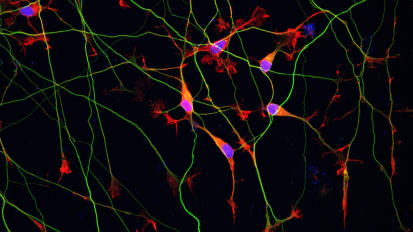 News
News
Addressing the Complexity of Cerebral Palsy Care
At the Barrow Neurological Institute at Phoenix Children’s, the research group of pediatric movement disorders neurologist, Dr. Michael Kruer, is leading efforts to better capture individual differences in CP through multi-dimensional phenotyping. News
News
Health Information Technology to Improve Care of Patients with Chronic Medical Conditions
Over the past two decades, digital health has emerged as a key driver of healthcare safety, quality and efficiency. News
News
Concussions During Adolescence Can Lead to Persisting and Late-Onset Symptoms
More than half the population will receive a concussion at some point in their life. Adolescents, especially girls, are at the highest risk for persisting and late-onset symptoms. News
News
When Two is Better Than One - A Unique Collaboration of Orthopedic Surgery and Neurosurgery
Gregory R. White, MD, is an orthopedic surgeon and the director of the Center for Spine Care at Phoenix Children's. He specializes in pediatric scoliosis, spinal deformity and sports medicine.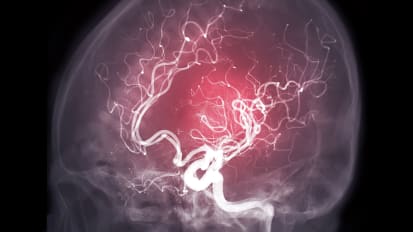 News
News
Latest Advances in Migraine Care
Migraine is a complex disorder involving large neuronal networks with multiple peripheral and central factors. Activation of the trigeminal ganglion has long been known to trigger the headache phase of a migraine attack. A better understanding of the peripheral mechanisms that lead to this activation has identified many possible targets for novel treatments.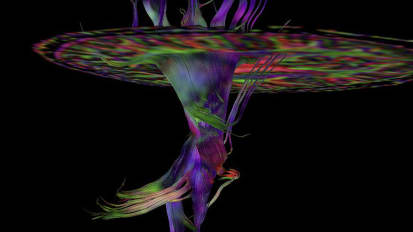 News
News
Transforming Toast with Tech: Modernizing Ketogenic Therapy
For centuries, dietary manipulation, including fasting, has been used for the treatment of epilepsy. In the early 1920s, physicians at Mayo Clinic discovered that a low carbohydrate diet provided similar effects to fasting and coined the term “ketogenic diet,” which is still in use today. Ketogenic therapy (KT) is a diet with high fat, low carbohydrate and adequate protein intake. The KT program at the Barrow Neurological Institute at Phoenix Children’s is a robust clinical program staffed by experienced dietitians, psychologists, pharmacists and epileptologists